Education guide
What Is Two-Factor Authentication? A Clear Setup Guide
Learn what 2FA is, which methods are stronger, how to set it up without locking yourself out, and how it stops common account takeovers.
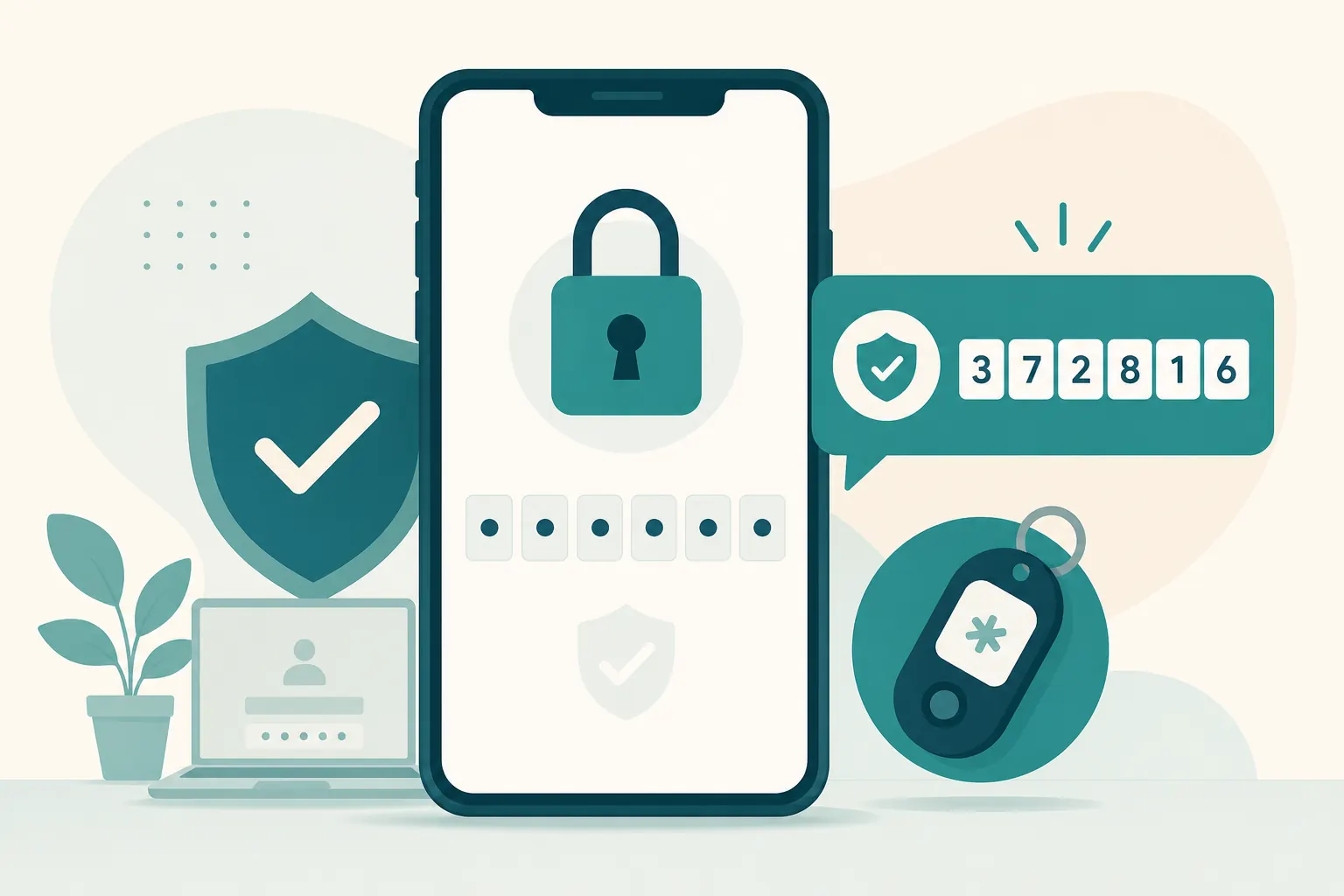
Two-factor authentication (2FA) adds a second check after your password. Even if someone steals your password, they still need that second factor — a code, prompt approval, passkey, or hardware key you control.
This matters because password leaks and phishing happen every day. A reused password from an old shopping site can become an email takeover attempt overnight. 2FA is one of the highest-value habits you can add without becoming a security expert.
What 2FA actually means
Login becomes a two-step proof:
- Something you know (password)
- Something you have (phone app, hardware key) or something you are (biometrics, less common as the only second factor for everyday accounts)
Without step two, stolen passwords are less useful. Attackers may still try phishing for the second factor, which is why setup quality and daily habits both matter.
2FA, MFA, and passkeys in plain language
People use these terms loosely:
- 2FA usually means password plus one more check
- MFA (multi-factor authentication) is the broader idea of multiple factors
- Passkeys can replace passwords with a device-bound credential that is phishing-resistant on supported sites
You do not need perfect terminology. You need the important accounts protected with a strong second step, preferably something harder to intercept than SMS alone.
How 2FA stops common account takeovers
Most everyday takeovers start with a password obtained from:
- A breached website where you reused credentials
- A phishing page
- Malware that steals saved logins
- A guessed weak password
With 2FA enabled, the attacker often hits a wall at the second prompt. That wall is not magical. If they also trick you into reading an OTP aloud or approving a login you did not start, they can still get in. Good 2FA reduces casual takeovers dramatically and forces attackers into noisier, more detectable tricks.
What 2FA does not automatically fix
2FA does not repair:
- Malware already on your device
- Session theft if you are phished into a full login including the second factor
- Weak recovery paths (like an unprotected secondary email)
- Approving push notifications out of habit
Think of 2FA as a strong seatbelt: essential, not a substitute for safe driving.
Which 2FA methods are better
Stronger options
- Authenticator apps (time-based codes)
- Hardware security keys
- Passkeys where the service supports them
Okay but weaker
- SMS codes (better than nothing; SIM-swap risk exists)
- Email one-time codes when email is your only second factor and poorly protected
Risky habits
- Approving random login prompts you did not start
- Storing backup codes only inside the same email inbox
- Sharing authenticator screenshots with “support”
- Turning 2FA off temporarily on a shared computer and forgetting to restore it
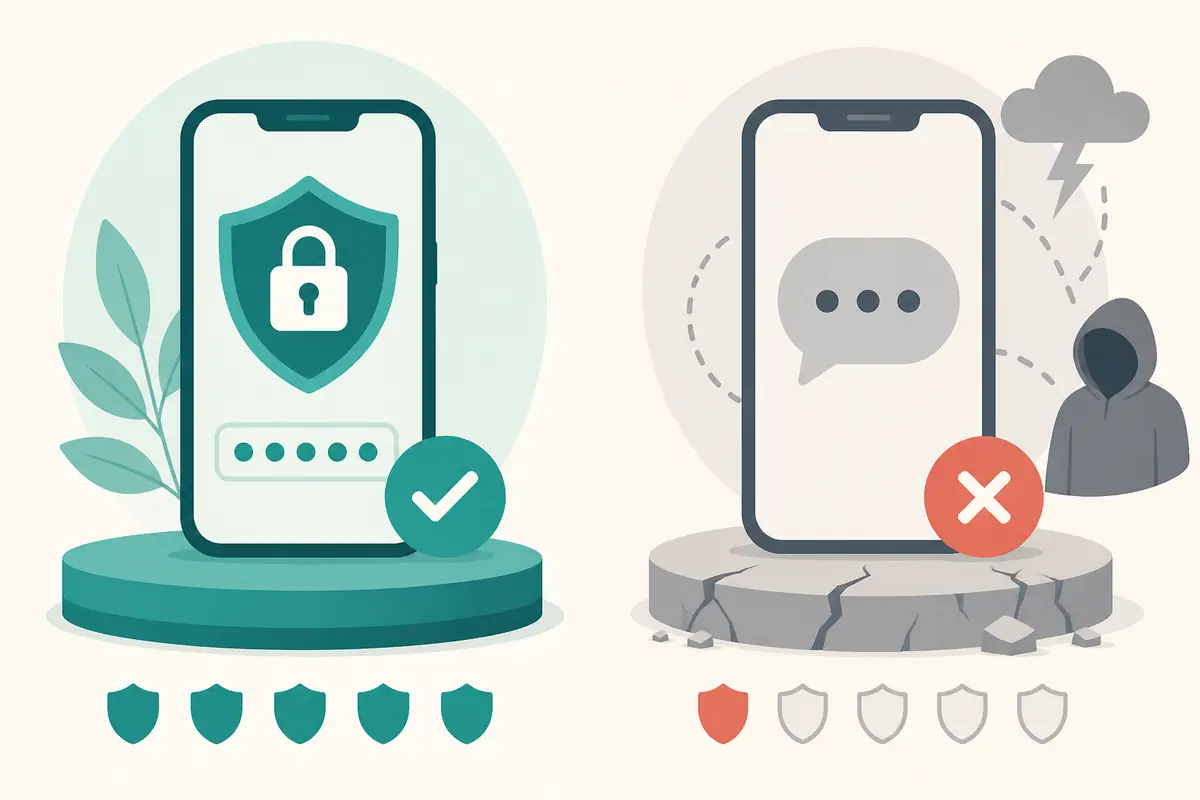
Why authenticator apps usually beat SMS
SMS codes travel through phone networks and can be targeted by SIM-swap attacks or intercepted in some cases. Authenticator apps generate codes on your device using a shared secret set up during enrollment. They are not perfect — phishing sites can still ask you to type the current code — but they remove several SMS-specific risks and work offline.
Hardware keys and passkeys go further on many sites because they can bind authentication to the real domain, which helps defeat lookalike login pages.
Setup order that protects you
Turn on protection in an order that matches real-world risk.
- Turn on 2FA for your primary email first
- Save backup codes offline (password manager or printed offline copy)
- Add 2FA to banking, Apple/Google, social, and cloud storage
- Protect password manager accounts if you use one
- Test logout/login once so you know recovery works
- Remove old phone numbers and unused second factors later
Email is the reset hub for almost everything else. If attackers get email, they can often reset banking, shopping, and social accounts. Secure that hub before you chase every low-value forum login.
Step-by-step: enable authenticator-based 2FA
Exact menus differ by service, but the flow is usually similar:
- Sign in on the official website or app (from a bookmark, not an email link)
- Open security or account settings
- Choose two-factor / two-step verification
- Select authenticator app if offered
- Scan the QR code with your authenticator
- Enter the first code to confirm enrollment
- Download or write backup codes immediately
- Store those codes where you can reach them without your phone
- Sign out and sign back in once as a test
If the service allows a second factor — another phone, hardware key, or passkey — add it after the first method works.
How to avoid locking yourself out
Account lockouts are the reason some people avoid 2FA. Plan recovery before you need it.
- Keep backup codes somewhere you can reach if your phone is lost
- Add a second method when the account allows it
- Do not remove 2FA “temporarily” on shared/public devices
- Update your authenticator when you change phones using official transfer flows
- Keep your recovery email and phone number current on major accounts
- Do not store the only copy of backup codes inside the account they protect
Changing phones without losing access
Before you wipe an old phone:
- Confirm you still have backup codes
- Use the authenticator’s official transfer/export feature when available
- Or sign into each important account and re-enroll 2FA on the new device
- Remove the old device/session afterward
- Test login on the new phone before factory-resetting the old one
Rushing a phone upgrade is a common way people strand themselves.
Common mistakes with 2FA
- Enabling SMS once and never upgrading when authenticator options appear
- Ignoring backup codes until the phone breaks
- Approving repeated push prompts because “the app is glitching”
- Using 2FA on social accounts but leaving email unprotected
- Believing 2FA means passwords no longer matter
- Entering 2FA codes on pages reached from urgent emails or texts
Push fatigue is real. If you get a login approval request you did not initiate, deny it, change your password from a trusted device, and review active sessions.
What to do if you already got locked out or compromised
If you are locked out
Use official account recovery with backup codes, secondary email, or provider recovery forms. Avoid random “unlock services” that message you first. Those are often scams.
If an attacker got past 2FA
- Sign in from a trusted device if you still can
- Change the password
- Revoke sessions, app passwords, and unknown devices
- Rotate 2FA — remove old authenticators and enroll fresh ones
- Check recovery email/phone for attacker changes
- Review sent mail, forwarding rules, and connected apps
- Update passwords on other accounts that shared the old password
Speed matters. Attackers move from one account to related accounts quickly.
Longer FAQ
Is 2FA enough alone?
No. Combine it with unique passwords and phishing awareness. 2FA sharply reduces risk; it does not erase every attack path.
Should I use SMS if that is all I have?
Yes, enable it, then move to an authenticator app when possible. SMS is weaker than app-based codes, but it is still much better than password-only.
Do I need 2FA on every single account?
Prioritize email, banking, Apple/Google identity accounts, cloud storage, password managers, and social accounts that can reset other logins. Then expand outward.
Are authenticator apps free?
Many reputable authenticator apps are free for basic one-time codes. You do not need a paid product to get a major security upgrade.
What if a site does not offer 2FA?
Use a unique strong password, be stricter about phishing, and prefer official apps. If the account holds money or sensitive identity data and still lacks 2FA, consider whether you can minimize what you store there.
Can attackers fake the 2FA prompt itself?
They can fake emails, calls, and websites that ask for your code. That is social engineering around 2FA, not true bypass of a correctly used factor on the real site. Only enter codes on destinations you opened yourself.
Are passkeys replacing 2FA?
On supporting services, passkeys can replace passwords and reduce phishing risk. Where both exist, follow the service’s recommended setup and still keep recovery options documented.
Key takeaways
- 2FA means a stolen password is no longer enough for an easy takeover.
- Protect email first, then banking and major identity accounts.
- Prefer authenticator apps, passkeys, or hardware keys over SMS when you can.
- Save backup codes offline and test recovery before you need it.
- Never share 2FA codes with people who contact you first.
Was this guide helpful?
Tap like or dislike — one vote per visitor.
Comments
Share a tip or question. Keep it practical — no spam, links farm, or personal data dumps.
- Loading comments…