Jobs and selling
Telegram Remote Job Scam (2026): They Showed $240 Earned — Then Asked for a Fee
Spot WhatsApp and Telegram remote job scams: fake dashboards, day-3 withdrawal fees, crypto deposits, and OTPs — plus what to do if you already paid.
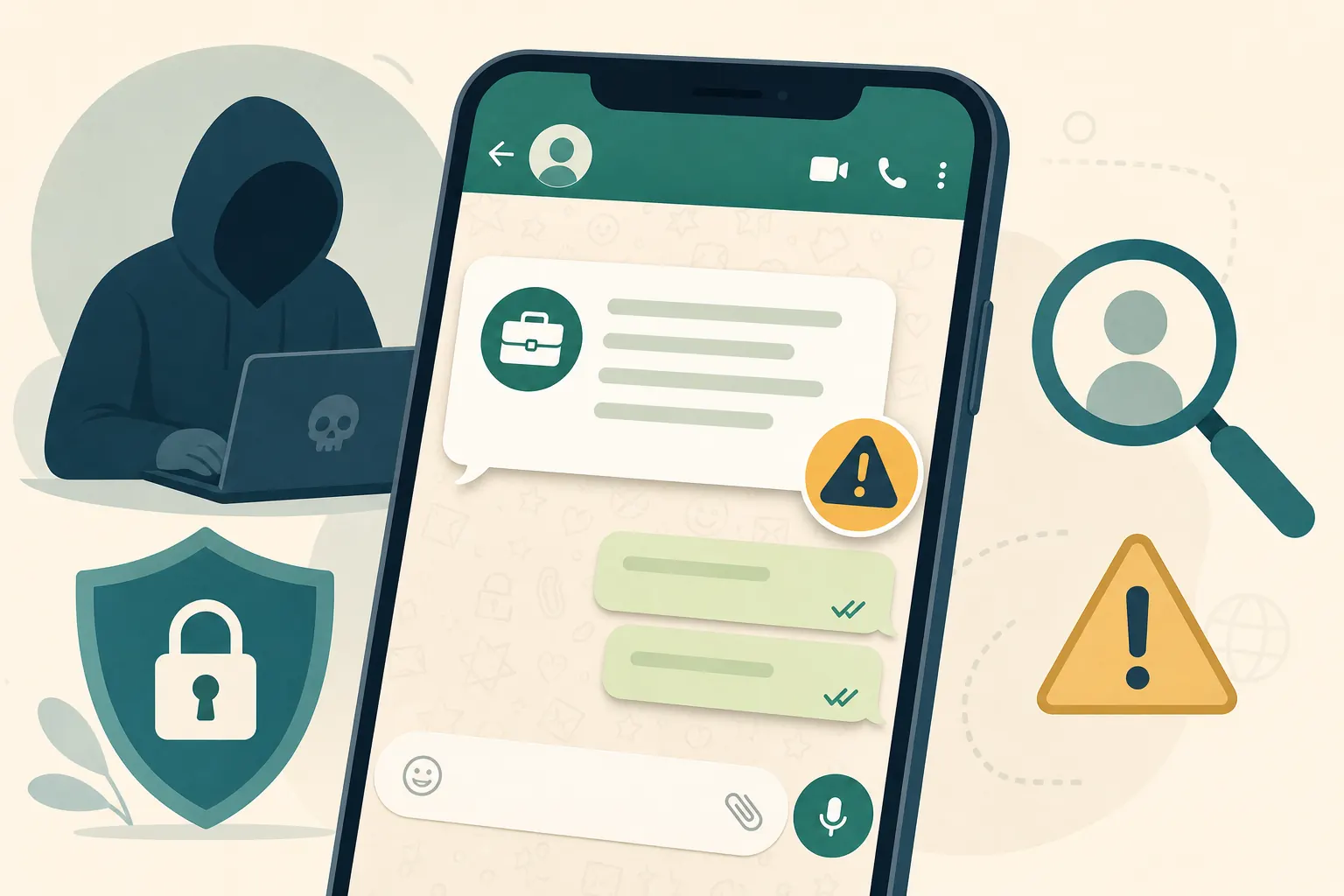
Short answer: A cold Telegram remote job scam (or WhatsApp twin) usually “hires” you in minutes, shows rising earnings, then asks for a fee, tax, deposit, or OTP before withdrawal. Real employers do not make you pay to get paid.
You open the chat and it feels almost too good: flexible hours, phone-only tasks, $80–$150 a day, “training starts today.” No long interview. No awkward silence. Just a polite recruiter, a logo, and a link. That is why WhatsApp and Telegram remote job scams work. They sell hope first. The money ask comes later — often on day two or three, after you already feel invested.
Real chat vs scam chat (quick table)
| What you see | Often a scam | Safer / more real |
|---|---|---|
| First contact | Cold message on WhatsApp/Telegram offering high pay | You applied on a company careers page first |
| Hiring speed | “You’re hired” in minutes | Screening, clear role, verifiable company email |
| Work | Tiny tasks, screenshots, “likes,” rating products | Real deliverables and a named manager |
| Earnings | Dashboard or screenshots of rising balances | Normal payroll / invoice process |
| Withdrawal | Fee, tax, deposit, crypto, or gift cards required | You get paid without paying first |
| Pressure | “Pay in 30 minutes or account freezes” | Time to verify off-chat |
| OTP / ID | Recruiter asks for codes, selfies with ID, or wallet seeds | Never needed for “task training” |
If the table already makes your stomach drop, stop chatting and verify offline. You do not owe a stranger a polite exit interview.
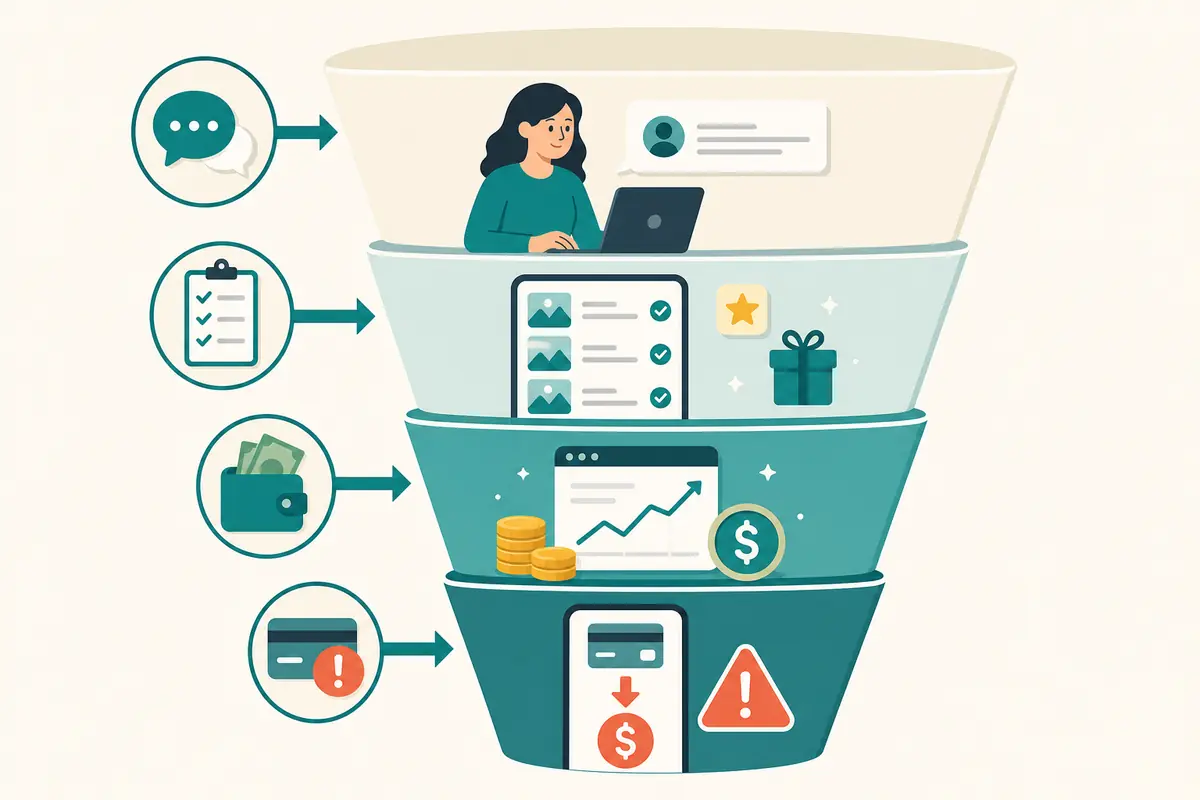
The first 72 hours (how the bait usually unfolds)
This timeline is the spine of most modern chat-app “remote job” frauds. Names and brands change. The sequence rarely does.
Hour 0 — The soft open
A message arrives from an unknown number or Telegram account:
- “Saw your profile — remote data entry / AI labeling / product review”
- “Part-time online tasks, daily payout”
- “HR from [famous brand-looking name]”
Tone is warm. Grammar may be imperfect or oddly perfect. Either way, the hook is ease + money + urgency without panic.
Hours 1–6 — Fake professionalism
They send:
- A logo or “offer letter” image
- A “company website” (often days old)
- A group invite (“training batch”)
- A dashboard login
They avoid hard questions about registration, tax forms, or who signs paychecks. If you ask, they deflect: “HR handles that after probation.”
Day 1–2 — Tiny wins
You do low-effort tasks. The dashboard ticks up. Sometimes they even release a small first payout. That drip is not generosity. It is proof-of-concept bait so the later fee feels like a temporary bump in the road.
Day 2–3 — The catch
Now comes the line that should end the conversation:
- “Upgrade to VIP to unlock withdrawal”
- “Security deposit / margin / liquidity”
- “Tax clearance / platform fee”
- “Wrong amount — pay the difference to reverse”
- “OTP to verify your wallet / account”
This is the WhatsApp/Telegram remote job scam engine: fake earnings in, real money out.
Day 3+ — Pressure and the second scam
Hesitate and the script hardens: threats to freeze “your” balance, fake managers, countdown timers. Pay once and a “refund agent,” “lawyer,” or “platform compliance officer” may appear — another fee dressed as rescue. That recovery pitch is often the same network with a new costume.
Why Telegram remote job scams thrive on chat apps
WhatsApp and Telegram feel private and personal. A logo in a bubble looks like a brand. Voice notes sound human. Groups create social proof (“others are earning”). Crypto wallets and payment apps move money fast and hard to reverse.
None of that equals a real employer.
The money ask: five scripts you will hear
- Upgrade fee — “Your level is too low to cash out.”
- Tax / compliance — “Pay 10–30% tax first; then full withdrawal.”
- Wrong transfer — “You received too much; send the excess back.”
- Deposit / margin — “Post a bond to unlock bigger tasks.”
- OTP / seed / remote access — “Share the code / install this app so we can help.”
Any of these, after a cold chat hire, is enough reason to stop.
60-second verification ritual (use it before day 3)
Do this outside the chat:
- Search the exact company name + “scam” / “job fraud.”
- Find an official careers page you open yourself — not from their link.
- Check whether the “recruiter” email matches the company’s real domain.
- Call a published company number from the official site (not the chat).
- Ask one blunt question in your own words: “Do employees ever pay a fee to withdraw wages?” If they dodge, end it.
What to do if you already paid or shared details
Move fast. Shame helps the scammer; documentation helps you.
- Stop all payments and block the accounts/groups.
- Screenshot chats, usernames, wallet addresses, receipts, and dashboards.
- Contact your bank, card issuer, or payment app fraud team immediately.
- If you shared an OTP or password, change it and review account sessions — see OTP Scams Explained.
- Report through reportfraud.ftc.gov and your local cybercrime / consumer channels.
- Ignore anyone who DMs later offering to “recover” the money for another fee.
For a deeper WhatsApp-only walkthrough and recovery checklist, read Fake WhatsApp Job Scams. If the “job” also pushed remote access or scare software, compare notes with Fake Tech Support Scams.
Quick answers
FAQ
6 questions
Sometimes recruiters use chat apps after you applied through an official channel. A cold high pay Telegram remote job hire with no public company trail is a different animal — treat it as a scam until proven otherwise.
Trusted sources
- FTC: job scams
- Report fraud to the FTC
- FTC: how to avoid a scam
- CISA: phishing guidance
- USA.gov: job scams
Key takeaways
- Easy $80–$150/day chats on WhatsApp/Telegram are often a remote job scam selling fake earnings before a real fee.
- Day 2–3 “upgrade / tax / deposit” asks are the trap — not a glitch.
- Small early payouts can be bait, not proof.
- Verify companies off the chat; never pay to withdraw wages.
- If you already paid, stop contact, document everything, alert your bank, and refuse “recovery” scams.
Was this guide helpful?
Tap like or dislike — one vote per visitor.
Comments
Share a tip or question. Keep it practical — no spam, links farm, or personal data dumps.
- Loading comments…